Why I built this
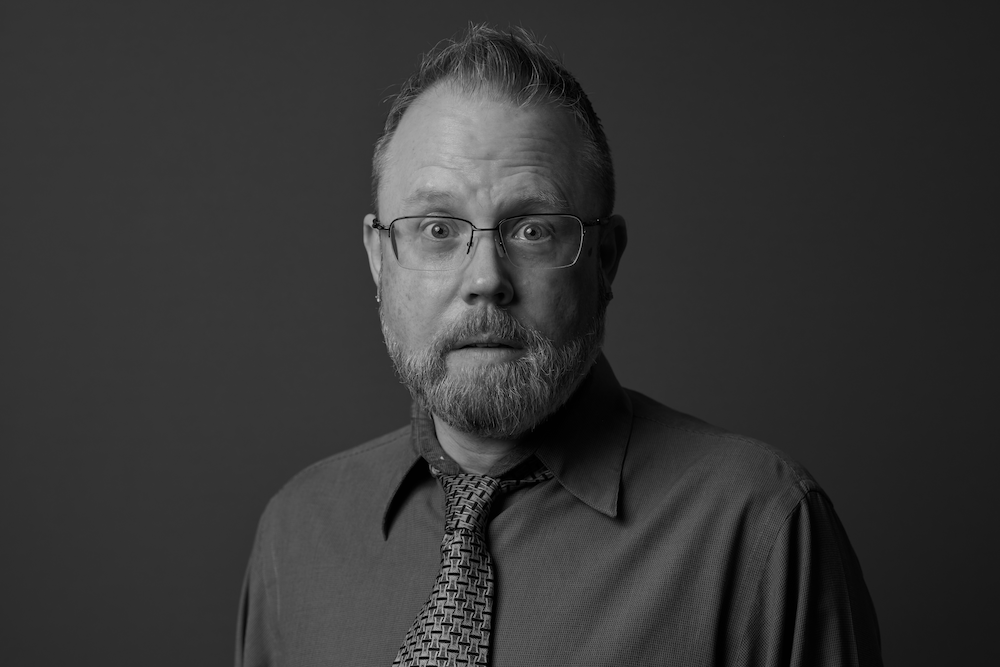
I'm a web developer, but I'm also an actor and musician. I speak both languages—the technical side and the performing arts side. That dual perspective is why I saw a problem that most developers don't see.
Over the years, I built websites for an opera company, a symphony orchestra, and a theater. Each time, I experienced the same problem firsthand: most CMSes are built for blogs and business sites, not for how you actually organize your work.
Whether you're managing a season of opera, a theater season, a dance season, or an orchestra season—the problem is the same. You have seasons. You have works (written by composers, playwrights, choreographers). You have productions (specific stagings of works). You have performers, directors, designers. You have multiple performances at different venues. And all of that is connected—a performer appears across works and productions; a work appears in multiple seasons and productions; a venue hosts multiple performances.
General-purpose CMSes force you to hack around this. You create workarounds. Custom fields. Plugins. Cross-linking. It's a mess, and worse—it doesn't match how you actually think about your work.
So I built TheatreCMS. A CMS built on your structure. Seasons. Productions. Works. People. Performances. Venues. These aren't plugins or workarounds—they're built in from the ground up. The CMS speaks your language because it was designed for how performing arts organizations actually organize their work.
The credentials behind this
I've built websites for performing arts organizations. Opera company, symphony, theater. I know how you organize your work—seasons, productions, performers, works.
I understand the content structure problem. I've spent years building websites for performing arts organizations using generic CMSes. I know where the mismatch is and how it breaks.
I'm part of the performing arts community. As an actor and musician, I understand your workflow from the inside. I'm not an outsider guessing how you work.
I'm building with real organizations, not guessing. The 90-day partnership model means TheatreCMS evolves based on feedback from actual performing arts organizations using it day-to-day.
What this means for you
When you use TheatreCMS, you're using a CMS built on your actual structure. Not a general-purpose tool you have to adapt. Not a collection of workarounds. A system designed from the ground up for how performing arts organizations—whether you're producing plays, concerts, ballets, operas, or any live performance—organize and present their work.
That's why the partnership matters. You're not beta-testing generic software. You're helping shape a platform built specifically for performing arts organizations, by someone who understands performing arts.